 By Mira Van
For most vehicle owners, an automobile represents one of the significant financial investments made in a lifetime. Yet, many drivers ignore routine vehicle care until a dashboard warning light illuminates or an unexpected mechanical failure leaves them stranded on the side of the road. Postponing vehicle care until something breaks is a reactive approach that leads to exorbitant repair bills, unnecessary stress, and compromised safety.
Adopting a proactive approach through preventive auto maintenance involves inspecting, servicing, and replacing mechanical components at manufacturer-recommended intervals. Routine care keeps a vehicle running smoothly, protects your household budget, maximizes fuel efficiency, and preserves long-term resale value.
Avoiding Costly Mechanical Failures and Emergency Repairs
The most compelling reason to invest in preventive auto maintenance is financial savings. Minor, inexpensive routine service tasks prevent major mechanical components from suffering severe damage over time.
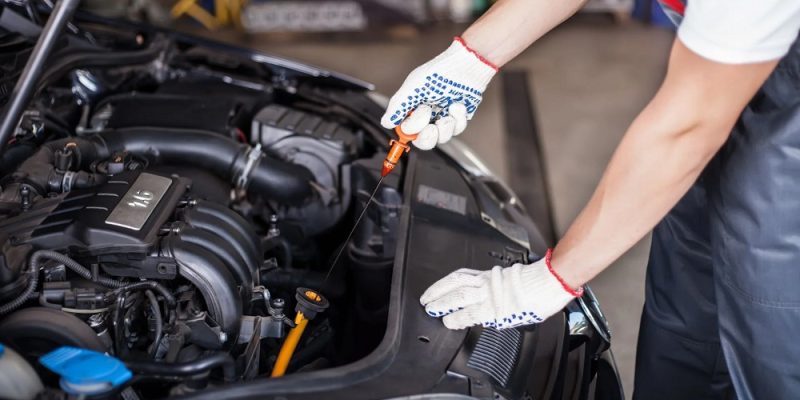
Consider the engine oil system. Engine oil lubricates moving metal parts, reduces internal friction, and dissipates extreme operational heat. Over time, heat and mechanical stress break down the oil, causing it to lose viscosity and accumulate sludge. Spending a modest sum on regular oil and filter changes prevents excessive component wear that could otherwise lead to complete engine failure—a repair costing thousands of dollars.
Similar financial logic applies across all major vehicle systems:
-
Timing Belt Replacement: Replacing a worn timing belt according to schedule costs far less than repairing bent engine valves and ruined pistons caused by a snapped belt in an interference engine.
-
Brake Pad Servicing: Replacing worn brake pads promptly prevents metal-on-metal contact, saving expensive rotors and brake calipers from structural damage.
-
Cooling System Flushing: Refreshing engine coolant prevents radiator corrosion, internal water pump failure, and catastrophic engine overheating.
-
Transmission Fluid Service: Servicing transmission fluid removes metal shavings and varnish, protecting delicate gears from slipping and requiring a total transmission overhaul.
Addressing minor wear and tear early ensures small maintenance costs never escalate into budget-breaking emergency repairs.
Extending Vehicle Lifespan and Long-Term Reliability
Modern automobiles are complex engineering systems built to last hundreds of thousands of miles when cared for correctly. However, achieving high mileage without major mechanical disruptions requires consistent attention to fluid health, filter cleanliness, and component alignment.
Regular maintenance prevents the cumulative mechanical degradation that causes vehicles to age prematurely. Clean air filters keep abrasive dust particles out of internal combustion chambers, preserving cylinder walls. Fresh power steering fluid protects steering pumps from friction wear. Regular tire rotations ensure tread wears evenly, protecting wheel bearings and suspension bushings from uneven road strain.
A well-maintained vehicle delivers reliable transportation year after year, allowing owners to avoid monthly new car payments and enjoy years of debt-free driving.
Optimizing Fuel Efficiency and Reducing Operational Costs
With fluctuating fuel prices, maximizing fuel economy is a top priority for budget-conscious drivers. Neglecting routine vehicle maintenance degrades fuel efficiency, forcing your engine to burn significantly more fuel to cover the same distance.
Several maintenance items directly impact fuel economy:
-
Tire Pressure Maintenance: Underinflated tires create higher rolling resistance against the road surface, forcing the engine to work harder and consume extra fuel.
-
Engine Air Filter Cleaning: A clogged air filter restricts oxygen flow into the combustion chamber, causing a rich fuel mixture that wastes gasoline.
-
Spark Plug Service: Worn or fouled spark plugs cause incomplete combustion and engine misfires, dropping fuel efficiency dramatically.
-
Wheel Alignment Adjustments: Misaligned wheels force tires to drag sideways against the road, increasing friction and fuel consumption.
Executing routine maintenance keeps all systems performing at peak efficiency, saving substantial money at the gas pump over the life of the vehicle.
Enhancing Driver Safety and Preventing Accidents
Beyond financial savings, preventive auto maintenance is a vital matter of personal safety. Vehicles operate at high speeds alongside heavy traffic, and component failures can lead to loss of vehicle control and severe accidents.
Routine safety inspections catch critical component wear before failure occurs on the road:
-
Brake System Inspection: Checking brake fluid levels, lines, pads, and rotors ensures maximum stopping power during emergency braking scenarios.
-
Tire Tread Depth Audits: Inspecting tread depth and rubber condition prevents hydroplaning on wet roads and catastrophic highway blowouts.
-
Suspension and Steering Care: Replacing worn struts, shocks, and tie rods maintains tire contact with the road and ensures precise steering response.
-
Wiper and Lighting Checks: Replacing worn wiper blades and burned-out headlight or taillight bulbs ensures clear visibility during heavy rain, fog, and nighttime driving.
Knowing your vehicle has passed comprehensive safety checks brings peace of mind every time you take the wheel with family and friends.
Preserving Resale and Trade-In Value
Eventually, most drivers choose to sell or trade in their current automobile. When that time arrives, a documented history of preventive maintenance significantly increases the market value of the vehicle.
Prospective private buyers and dealership appraisers evaluate pre-owned vehicles thoroughly. A car with clean fluids, matching tires with healthy tread, quiet engine idle, and smooth gear transitions commands a top-tier sales price.
Furthermore, keeping physical or digital receipts for every oil change, tire rotation, and fluid flush proves to buyers that the vehicle was cared for responsibly. Complete service records eliminate buyer anxiety, build immediate trust, and help you close a sale quickly at your desired asking price.
Frequently Asked Questions
How often should I perform an oil change on a modern vehicle?
Oil change intervals vary depending on your vehicle model, driving habits, and the type of engine oil used. Conventional motor oil typically requires replacement every 3,000 to 5,000 miles, whereas modern full synthetic oils can safely last between 7,500 and 10,000 miles. Always consult your owner’s manual for manufacturer recommendations.
What is the difference between severe and normal driving conditions in service schedules?
Auto manufacturers define severe driving conditions as short trips under five miles, frequent stop-and-go city traffic, driving in extreme heat or freezing temperatures, towing heavy loads, or driving on dusty and gravel roads. If your daily commute involves these conditions, your vehicle requires more frequent maintenance intervals than normal schedules dictate.
Why is rotating tires so important for vehicle maintenance?
Front and rear tires wear down at different rates because the front wheels handle steering, braking weight transfers, and engine power delivery in front-wheel-drive vehicles. Rotating tires every 5,000 to 7,500 miles ensures all four tires wear evenly, maximizing tread life, improving traction, and protecting suspension components.
What happens if I ignore the check engine light on my dashboard?
Ignoring a check engine light can turn a minor, inexpensive issue into a costly repair. A steady check engine light often indicates a faulty sensor, loose gas cap, or minor emission flaw. Continued driving with unresolved issues can damage expensive components like the catalytic converter. A flashing check engine light indicates a severe misfire requiring immediate attention to avoid catastrophic engine damage.
Can performing preventive maintenance myself void my factory warranty?
Performing your own routine maintenance, such as oil changes and air filter replacements, does not void your vehicle factory warranty. Under federal consumer protection laws, manufacturers cannot require you to service the vehicle at a dealership to maintain warranty coverage. However, you must keep detailed records and purchase receipts to prove maintenance was completed according to schedule.
How often should automotive fluids like coolant and brake fluid be flushed?
Coolant and brake fluid should generally be tested and flushed every two to three years or every 30,000 to 50,000 miles, depending on manufacturer guidelines. Over time, brake fluid absorbs ambient moisture, which lowers its boiling point and causes internal corrosion, while coolant loses its chemical anti-corrosive properties and thermal capacity.
Is it worth doing preventive maintenance on an older, high-mileage vehicle?
Yes, maintaining an older, high-mileage vehicle is highly cost-effective. Regular maintenance prevents unexpected breakdowns and keeps an older vehicle reliable for daily transportation. The ongoing cost of routine fluid changes and wearable parts replacement remains significantly cheaper than taking on a new monthly car payment, higher insurance premiums, and vehicle registration fees.